This website use cookies to ensure you get the best experience on our website
1:1 Dyslexic Support
Practical 1:1 dyslexia support for work, study and everyday live
I support working adults and young adults who want to understand what is getting in the way, build practical strategies and feel more confident asking for the support they need.
You do not need a formal dyslexia diagnosis to work with me.
Who I support

Working Adults
You may be newly diagnosed, have known you are dyslexic for years, or simply recognise that dyslexia may be affecting how you manage work.
You may be finding it difficult to keep on top of deadlines, organise tasks, process information, manage competing demands or maintain confidence at work. You might also be using a lot of energy to keep up or relying on coping strategies that are becoming exhausting.
1:1 support can help you understand what is creating pressure, build practical strategies, explore reasonable adjustments and feel more confident explaining what helps you work at your best.

Young Adults
You may be preparing to leave school, starting university or college, beginning work or an apprenticeship, or finding the move into greater independence harder than expected.
The support you had in education may not automatically follow you into the next stage. You may now be expected to manage deadlines, routines, travel, appointments, emails and new responsibilities more independently.
1:1 support can help you understand your strengths and difficulties, build practical strategies, develop confidence and work out what support or reasonable adjustments may help.
We can also focus on self-advocacy, so you feel more confident explaining what you need and asking for support in work, university or college.
What can we work on?
Sessions are shaped around you and may include:
- Organising and planning
- Managing deadlines
- Processing and remembering information
- Energy and fatigue
- Confidence
- Daily routines
- Reasonable Adjustments
- Assistive technology
- Preparing conversations with employers, university or college
- Self-advocacy
How my approach is different
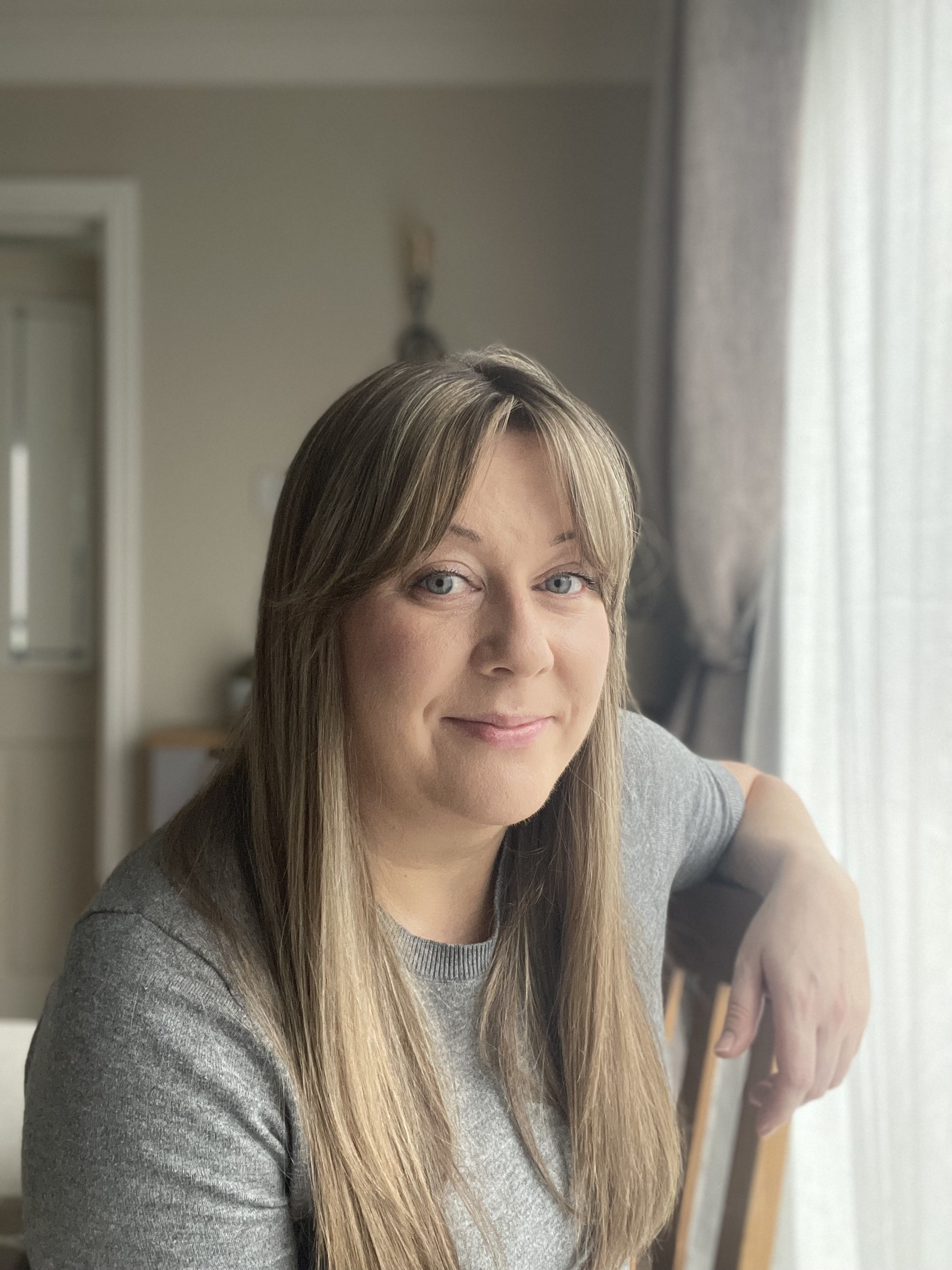
Dyslexia support is often focused on reading, writing or productivity tools.
As an Occupational Therapist, I look at the wider picture. That means exploring you, your environment, your routines and the demands you are managing.
Together, we identify what is taking the most effort, what is getting in the way and what practical changes could make work, study or everyday life feel more manageable.
Service details

1:1 Dyslexia Support
1-hour online sessions are £70 per session and available across the UK. Sessions are booked on a pay-as-you-go basis, with no package commitment, so you can book support when you need it.
1 hour
Online
$70
Thank you!
You're all set!
Your 1:1 journey
1. Start with a discovery call
We talk briefly about what you are finding difficult, what you would like support with and whether my approach feels right for you.
2. Understand what is happening
In your first session, we explore your strengths, difficulties, routines, environment and current demands.
3. Agree your priorities
We identify the areas having the biggest impact and decide what you would like to work on first.
4. Develop practical strategies
We explore strategies, tools, adjustments and changes the fit you and your situation.
5. Try them in real life
You have time to use the strategies between sessions and notice what helps and what needs changing.
6. Review and adapt
If you book another session, we will review what is working, adapt what is not and decide on your next priority.
What happens after each session?
- You will leave with a clearer understanding of your strengths, difficulties and what may be contributing to the challenges you are experiencing.
- We will agree practical strategies or actions for you to try, tailored to your work, study or everyday life.
- Depending on what we have discussed, I may also signpost you to useful resources, tools or information about reasonable adjustments.
- Over time, the aim is to help you feel more confident understanding what works for you and communicating the support you need.
- You can book another session when you feel you need one. There is no requirement to commit to a package.
Not sure whether 1:1 support is right for you?
The free discovery call gives us a chance to talk about what is going on, what you are hoping to change and whether Dyslexic OT is right for you.
If we both feel the service could be useful, we can arrange your first 1-hour session.
Discovery Call
Book a free call to explore your needs, ask questions, and see if my support is right for you.
30 mins
Free
Thank you!
You're all set!